
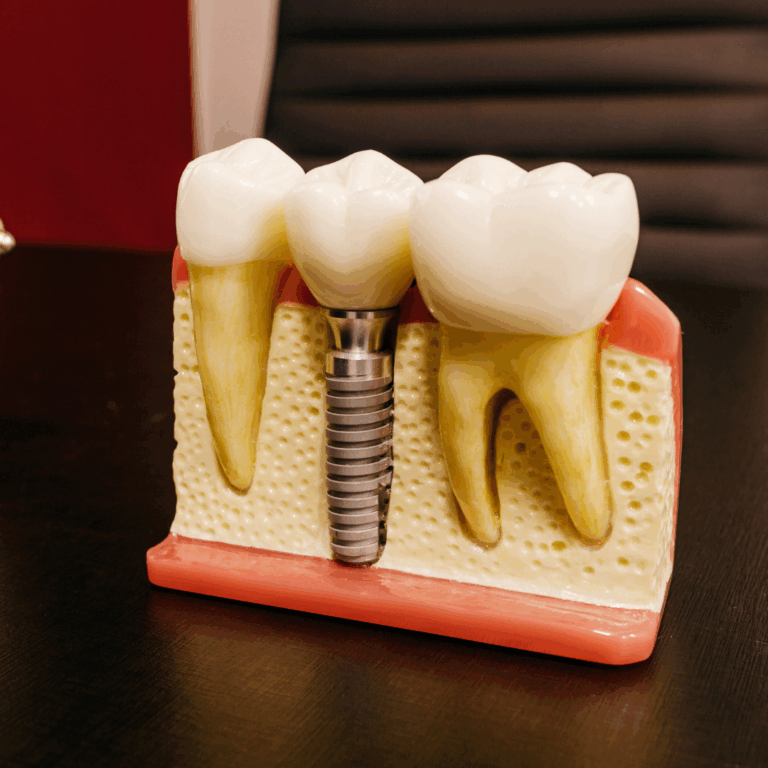
For many patients considering dental implants in Somerville, the biggest concern is recovery. It is common to imagine significant pain, swelling, or weeks of downtime. In reality, most patients recover more comfortably — and more quickly — than they expect.
Dental implant surgery is a highly predictable procedure when performed by an experienced oral surgeon. While some soreness and swelling are normal, recovery is typically manageable with proper aftercare and rest.
Here is what most patients can expect during the healing process.
What Happens Immediately After Dental Implant Surgery
After surgery, the area around the implant will remain numb for several hours due to local anesthesia. Mild fatigue, jaw stiffness, and pressure are also common during the first day.
Most patients experience:
-
Mild to moderate discomfort rather than severe pain
-
Minor bleeding or oozing
-
Swelling around the surgical area
-
Temporary difficulty chewing near the implant site
For many people, recovery feels similar to — or easier than — a routine tooth extraction.
During the first 24 hours:
-
Rest as much as possible
-
Avoid strenuous activity
-
Use ice packs intermittently to reduce swelling
-
Stick to soft, cool foods
-
Take medications exactly as directed
Allowing the body to begin healing properly during this period helps improve overall recovery.
The First Week of Recovery
The first several days are usually the most important part of the healing process.
Days 1–3
Swelling and tenderness generally peak within the first 48 to 72 hours. This is a normal inflammatory response as the body begins repairing tissue around the implant.
Helpful recovery measures include:
-
Applying ice packs during the first day
-
Keeping the head elevated
-
Avoiding unnecessary jaw movement
-
Eating soft foods
-
Staying hydrated
Most discomfort during this stage is manageable with prescribed or over-the-counter medication.
Days 4–7
By the second half of the first week, swelling and soreness typically begin improving significantly.
Many patients are able to:
-
Return to work
-
Resume light daily activities
-
Speak and chew more comfortably
-
Transition to a more normal routine
Patients with physically demanding jobs may need slightly more recovery time depending on the complexity of the procedure.
When Can You Eat Normally Again?
Diet is one of the most common concerns after implant surgery.
For the first several days, soft foods are recommended, including:
-
Yogurt
-
Oatmeal
-
Scrambled eggs
-
Smoothies
-
Soup
-
Mashed vegetables
As healing progresses:
-
Softer solid foods are usually tolerated after several days
-
Most patients gradually return to normal eating within two weeks
-
Hard, crunchy, or sticky foods should still be avoided around the surgical area until cleared by the surgeon
Following dietary instructions carefully helps protect the implant during early healing.
How Long Does Full Healing Take?
There are two stages of implant recovery: soft tissue healing and bone integration.
Initial Healing
The gums and surrounding tissue generally heal within:
-
1 to 2 weeks for most patients
This is when swelling, tenderness, and visible healing improve.
Osseointegration
The deeper healing process involves the implant fusing directly with the jawbone, a process called osseointegration.
This phase typically takes:
-
3 to 6 months depending on:
-
Bone quality
-
Number of implants
-
Overall health
-
Whether bone grafting was needed
-
Although this process occurs beneath the surface, it is critical to the long-term stability and success of the implant.
Factors That Affect Recovery Time
Every patient heals differently. Several factors influence recovery, including:
Bone Quality and Bone Grafting
Patients with strong existing bone often heal faster. Bone grafting procedures may extend healing time before final restoration.
Overall Health
Smoking, uncontrolled diabetes, and certain medical conditions can slow healing and increase the risk of complications.
Number of Implants
A single implant generally involves a shorter recovery than full-arch or multiple implant procedures.
Following Aftercare Instructions
Patients who closely follow post-operative instructions usually experience smoother recoveries and fewer complications.
Warning Signs to Watch For
Most dental implant recoveries progress without problems. However, patients should contact their oral surgeon if they experience:
-
Increasing pain after the third day
-
Persistent swelling that worsens instead of improving
-
Fever or flu-like symptoms
-
Continued bleeding
-
A foul taste or odor near the implant
-
A loose-feeling implant
Early evaluation helps address concerns before they become more serious.
Tips for a Smoother Recovery
Simple habits can make recovery easier and more predictable:
-
Rest during the first few days
-
Use ice packs during the first 24 hours
-
Eat soft foods as recommended
-
Avoid smoking or vaping
-
Keep the mouth clean with gentle rinsing
-
Avoid touching or disturbing the surgical site
-
Take medications exactly as prescribed
These steps help minimize swelling, protect healing tissue, and support long-term implant success.
Final Thoughts
Recovery after dental implant surgery is often much easier than patients anticipate. Most people return to normal routines within several days, while the deeper healing process continues gradually over the following months.
With proper planning, experienced surgical care, and good aftercare habits, dental implants provide one of the most reliable long-term solutions for missing teeth.
If you are considering dental implants in Somerville, Somerset Oral Surgery can help you understand your treatment options, recovery timeline, and what to expect at every stage of the process.
Schedule a consultation today to learn whether dental implants are right for you.
FAQs
How many days should I rest after dental implant surgery?
Most patients benefit from resting for 2 to 3 days before gradually returning to normal activity levels.
How painful is dental implant recovery?
Most patients experience mild to moderate soreness rather than severe pain. Discomfort is usually manageable with medication and improves significantly within the first week.
When can I return to work after dental implants?
Many patients return to work within 1 to 3 days, depending on the type of procedure and the physical demands of their job.
How long does it take for a dental implant to fully heal?
Initial gum healing usually occurs within 1 to 2 weeks, while complete fusion between the implant and jawbone typically takes 3 to 6 months.