
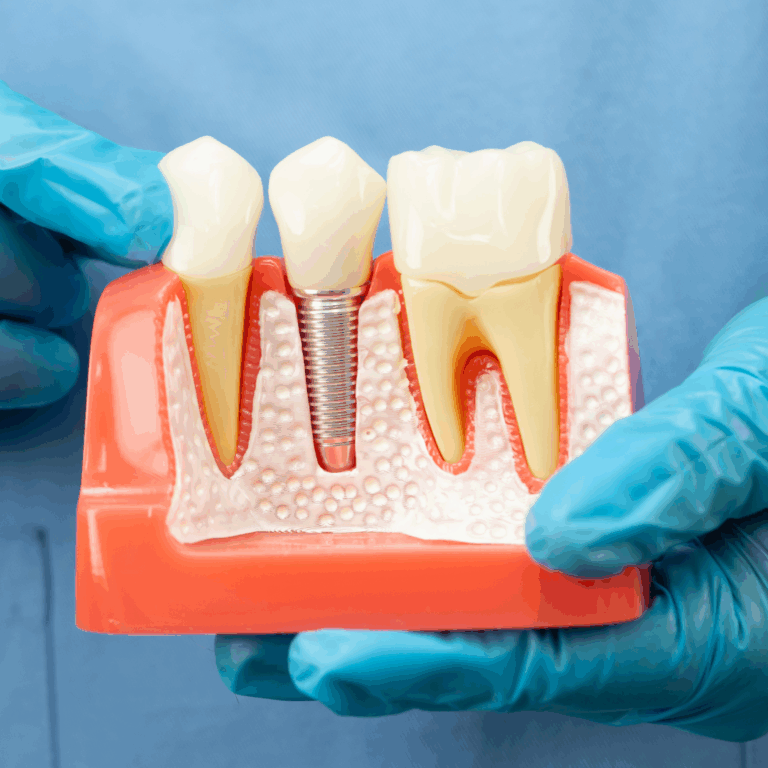
Dental implants have become one of the most trusted ways to replace missing teeth. They look natural, feel secure, and can last for decades with proper care. For many patients considering dental implants in Somerville, the biggest concern is not whether implants work. It is whether something could go wrong during the process.
The good news is that complications are uncommon when treatment is carefully planned and performed by an experienced oral surgeon. Most problems are preventable with proper imaging, surgical precision, and good aftercare. Understanding the potential risks ahead of time simply helps patients feel more informed and prepared.
What Dental Implants Actually Are
A dental implant is a small titanium post placed into the jawbone to replace the root of a missing tooth. Once the implant heals and bonds with the bone, a custom crown is attached to restore the appearance and function of the tooth.
Dental implants are designed to:
Restore chewing ability
Maintain jawbone structure
Prevent shifting of nearby teeth
Create a stable, natural-looking smile
With proper placement and maintenance, implants have a very high long-term success rate.
Infection Around the Implant
Like any surgical procedure, dental implant surgery carries a small risk of infection. However, this complication is relatively uncommon and is usually preventable with proper care.
Signs of infection may include:
Persistent swelling
Increased pain after several days
Redness around the implant site
Drainage or bad taste in the mouth
Oral surgeons reduce this risk by using sterile surgical techniques, providing detailed aftercare instructions, and prescribing medication when appropriate. Patients who maintain good oral hygiene and follow recovery instructions typically heal without complications.
Implant Failing to Bond With the Bone
One of the most important parts of implant healing is a process called osseointegration. This is when the jawbone gradually fuses with the implant, creating a strong and stable foundation.
In some cases, the implant may not fully integrate with the bone. If this happens, the implant can become loose or unstable.
Several factors may increase this risk:
Smoking or vaping
Poor bone quality
Uncontrolled diabetes
Infection during healing
Excessive pressure on the implant too soon
Before surgery, a Somerville oral surgeon carefully evaluates bone health using advanced imaging to ensure the implant has the best chance of long-term success.
Nerve Irritation or Sensitivity
Dental implants are placed close to important nerves in the jaw. If an implant is positioned too near a nerve, temporary numbness, tingling, or sensitivity can occur.
This type of complication is uncommon and largely preventable through careful planning and precise placement. Modern 3D imaging allows oral surgeons to map the exact location of nerves before surgery begins.
Choosing an experienced surgical team significantly lowers this risk.
Sinus Issues With Upper Implants
Upper back teeth sit close to the sinus cavity. In some patients, there is not enough bone height in the upper jaw to safely place an implant.
When this happens, the surgeon may recommend a sinus lift procedure. This procedure gently adds bone beneath the sinus area to create enough support for the implant.
A sinus lift is a common and predictable procedure that helps prevent long-term implant complications in the upper jaw.
Gum Recession Around the Implant
Healthy gum tissue is important for both the appearance and stability of dental implants. In some cases, the gum tissue around an implant can gradually recede over time.
This may happen due to:
Aggressive brushing
Poor oral hygiene
Gum disease
Smoking
Inadequate maintenance visits
Routine dental care and proper cleaning techniques help protect the tissue surrounding the implant and reduce the likelihood of gum recession.
Bite Pressure and Teeth Grinding
Dental implants are strong, but excessive pressure over time can create problems for both the implant and the surrounding bone.
Patients who grind or clench their teeth may place additional force on the implant while sleeping. Over time, this pressure can contribute to bone loss or mechanical wear.
An oral surgeon or restorative dentist may recommend a custom nightguard to protect the implant and reduce stress on the jaw.
Why Proper Planning Matters
Most implant complications are preventable before surgery even begins. Successful treatment depends heavily on:
Accurate 3D imaging
Careful surgical planning
Proper implant positioning
Evaluation of bone quality
Long-term follow-up care
At Somerset Oral Surgery, every dental implant procedure is planned with precision and individualized to the patient’s anatomy and long-term goals.
Long-Term Care Is Essential
Dental implants do not develop cavities, but they still require maintenance. The gums and bone surrounding the implant must remain healthy for the implant to last.
Long-term success depends on:
Daily brushing and flossing
Regular dental cleanings
Routine implant evaluations
Avoiding tobacco products
Managing grinding or clenching habits
Patients who maintain good oral health habits often keep their implants stable for decades.
Final Thoughts
Dental implants are one of the most predictable and successful treatments in modern dentistry. While complications are possible, they are relatively rare when treatment is performed by an experienced oral surgeon and followed with proper care.
The key is preparation, precision, and ongoing maintenance. Most patients heal smoothly, return to normal activities quickly, and enjoy long-lasting improvements in comfort, appearance, and function.
If you are considering dental implants in Somerville, working with a skilled oral surgeon can help ensure a safe procedure, a comfortable recovery, and results built to last.
FAQs
Are dental implants painful?
Most patients report only mild to moderate soreness after surgery. The procedure itself is performed under local anesthesia, and sedation options are available for additional comfort.
How long does dental implant healing take?
Initial healing usually takes one to two weeks. Full integration between the implant and jawbone typically takes three to six months.
What causes dental implant failure?
The most common causes include infection, poor bone integration, smoking, excessive bite pressure, or inadequate oral hygiene.
Can dental implants last a lifetime?
Dental implants are designed to be long-term solutions. With proper care and regular dental visits, many implants remain successful for decades.
What if I feel nervous about implant surgery?
Dental anxiety is very common. Oral surgeons offer sedation options and carefully explain the process so patients feel informed, comfortable, and supported throughout treatment.