
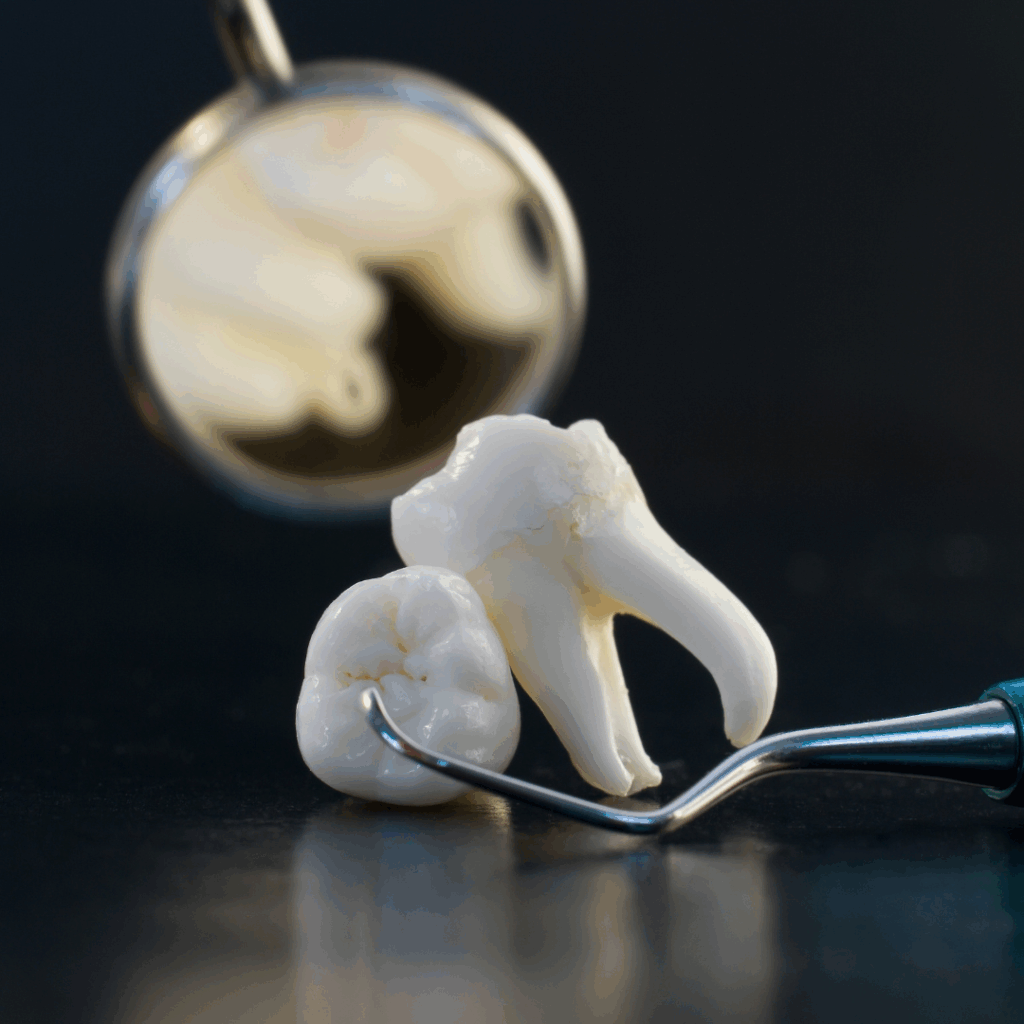
Getting wisdom teeth removed is a routine oral surgery, but the recovery period raises an immediate practical question: what can you safely eat afterward?
If you’ve recently had your wisdom teeth extracted in New Jersey, the good news is that your post-operative diet does not have to be limited to broth and bland foods for long. With the right progression, most patients return to a normal diet within a week to 10 days.
Here’s a clear, medically grounded guide to eating after wisdom teeth removal, based on typical post-operative instructions from oral surgeons.
The First 24 Hours: Protect the Healing Site
The first day after surgery is the most sensitive period. A blood clot forms in the extraction site, which is essential for proper healing and preventing complications such as dry socket. The goal during this time is to avoid disturbing that clot.
Recommended foods include:
Applesauce
Yogurt (plain or smooth varieties)
Pudding or gelatin desserts
Smooth smoothies (no straw)
Cold or room-temperature soups
Avoid anything hot. Heat can interfere with clot formation and increase bleeding risk.
Straws should also be avoided completely, as suction can dislodge the clot and delay healing.
Days 2–3: Soft, Warm, Easy-to-Chew Foods
As initial swelling and discomfort begin to improve, patients can transition to soft, non-irritating warm foods.
Good options include:
Mashed potatoes
Scrambled eggs
Oatmeal or cream of wheat
Soft pasta
Well-cooked, soft vegetables
At this stage, chewing should still be minimal and kept away from the surgical sites whenever possible.
Days 4–7: Gradual Return to Normal Eating
Most patients begin to feel significantly better within a few days. However, the surgical sites are still healing beneath the surface.
You may begin introducing:
Soft rice or noodles
Tender fish or shredded chicken
Soft cooked vegetables
Cottage cheese or tofu
Hard, crunchy, or sharp foods should still be avoided. Items like chips, nuts, popcorn, and crusty bread can easily irritate healing tissue or become trapped in extraction sites.
Even if comfort has improved, tissue healing is still ongoing beneath the gums.
Foods to Avoid During Recovery
Certain foods can interfere with healing or increase the risk of complications such as infection or dry socket. Avoid the following for at least 7 days, or as directed by your surgeon:
Chips, nuts, popcorn, and hard snacks
Spicy foods and acidic foods (citrus, tomato-based sauces)
Sticky foods such as caramel or chewing gum
Crunchy bread or crusted baked goods
Alcohol and carbonated beverages
Straws (due to suction risk)
Hydration: A Critical Part of Healing
Staying hydrated supports tissue repair and helps keep the surgical area clean. Water is the best option throughout recovery.
Avoid:
Carbonated drinks
Alcohol
Energy drinks
Very hot beverages in the early recovery phase
Sip regularly rather than drinking large amounts at once.
When to Contact Your Oral Surgeon
Some discomfort, swelling, and minor bleeding are normal after wisdom teeth removal. However, certain symptoms may indicate a complication and should not be ignored:
Increasing pain after day 3–4
Persistent or worsening swelling
Foul taste or odor in the mouth
Fever
Pus or abnormal discharge
If any of these occur, contact your oral surgeon promptly for evaluation.
Patients treated at Somerset Oral Surgery receive structured post-operative instructions and follow-up care to ensure proper healing and early management of any concerns.
Typical Recovery Timeline
While healing varies slightly by individual, most patients follow a predictable pattern:
Day 1: Bleeding control and initial rest
Days 2–3: Peak swelling, soft diet only
Days 4–7: Gradual improvement, expanded soft foods
7–10 days: Most patients return to a near-normal diet
Complete gum healing continues beyond this period, even after normal eating resumes.
Final Thoughts
Recovery after wisdom teeth extraction is generally straightforward when patients follow dietary and aftercare instructions closely. The key is progression—starting soft, avoiding risk foods, and allowing tissues time to heal properly.
Most patients are able to resume a normal diet sooner than expected, especially when they avoid complications like dry socket and infection through proper care.
FAQs
When can I eat solid food after wisdom teeth removal?
Most patients begin reintroducing solid foods around days 5–7, depending on comfort and healing progress.
Can I drink coffee after surgery?
Yes, but typically not for the first 24 hours, and it should be lukewarm rather than hot.
Is ice cream safe after wisdom teeth removal?
Yes. Soft, cold ice cream can be soothing. Avoid mix-ins such as nuts or hard toppings.
How long does full recovery take?
Initial recovery is typically 7–10 days, although deeper tissue healing continues for several weeks.