
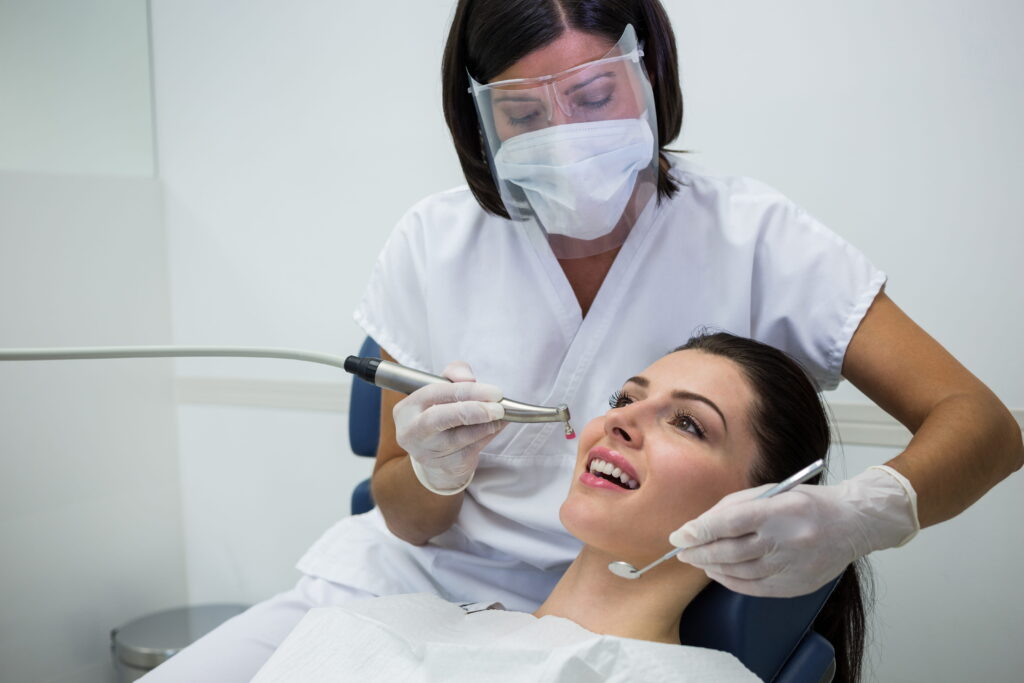
Losing a tooth changes more than your appearance. At first, it seems small, just a gap you notice in the mirror. Then it starts showing up in everyday life. You smile less in photos, talk a little more carefully, and sometimes catch yourself covering your mouth when you laugh.
It is not only about looks. A missing tooth can make eating awkward and speaking feel different. That is why many people start looking into dental implants when they realize the problem is affecting their daily comfort, too.
At Somerset Oral Surgery, patients often come in focused on replacing a tooth, but they quickly learn the bigger benefit is getting back a smile that feels natural again.
Why Missing Teeth Affect More Than Looks
A missing tooth can shift the way your whole mouth works. Teeth nearby often begin moving into the empty space, and that changes your bite over time.
There is also bone loss to think about. Without a tooth root in place, the jawbone in that area stops getting the pressure it needs and slowly begins to shrink. That can affect facial shape if left alone too long.
This is why people searching for a dental implants near me are often dealing with more than a cosmetic issue. They want to protect long-term dental health before the problem grows.
What Makes Dental Implants Different
The biggest difference is that implants replace the root as well as the visible tooth.
A titanium post is placed into the jawbone, then a crown is attached after healing. That gives tooth implants real stability instead of simply covering the gap.
Because the implant bonds with bone, it feels secure and helps preserve the jaw.
Confidence Changes in Everyday Moments
A missing tooth changes how people carry themselves. Smiling becomes controlled. Talking can feel awkward. Even simple social moments start feeling different.
After successful dental implant surgery, many patients say the biggest change is that they stop thinking about the missing tooth.
That shows up in normal moments:
- Smiling naturally
- Eating in public comfortably
- Talking without hesitation
- Laughing without covering your mouth
It is not dramatic. It is just life feeling normal again.
How the Dental Implant Procedure Works
The dental implant procedure happens in stages.
First, the oral surgeon checks bone and gum health using imaging. That helps determine whether the area is ready for an implant.
Next, the implant post is placed into the jawbone. Healing takes time because the bone needs to fuse around it.
Once healing is complete, the crown is attached.
For many people, Dental implant surgery sounds harder than it really is. Recovery is often straightforward, with mild soreness and a short adjustment period.
Why Permanent Tooth Replacement Matters
A removable option can fill the space, but it often does not feel fully secure.
That is why permanent tooth implants matter. They stay in place, do not shift while eating, and do not need daily removal.
They also protect nearby teeth because nothing has to lean on them for support.
Oral Hygiene Still Matters After Implants
Implants still need care. The implant cannot decay, but the gums around it must stay healthy for long-term success.
Good oral hygiene usually means:
- Brushing twice a day
- Cleaning around the implant carefully
- Keeping regular checkups
- Watching gum health
Healthy gums are what keep implants stable.
Artificial Tooth Implants Feel More Natural Than Many Expect
A lot of people worry implants will feel artificial. In reality, well-made artificial tooth implants are designed to match surrounding teeth closely in shape and bite. Once healing is complete, most people stop noticing the implant because it feels normal during eating, speaking, and smiling.
That natural feel is one of the reasons implants are trusted for long-term replacement.
When It May Be Time to Ask About Implants
If you are avoiding certain foods, hiding your smile, or noticing your bite feels off, it may be time to ask about replacement options.
A well-placed implant does more than fill a gap. It helps your mouth feel complete again.
If you have been searching for answers about dental implants, missing teeth, or lasting tooth replacement, Somerset Oral Surgery can help you decide if implants are the right next step for your smile.
FAQs
What are dental implants?
Dental implants are small titanium posts placed into the jawbone where the missing tooth used to be. Think of them as a new root built to hold a replacement tooth firmly in place. After healing, a crown is attached on top, and the whole thing starts to feel surprisingly natural when you eat, talk, and smile.
How much do dental implants cost?
The price depends on the details of your case. One implant costs far less than rebuilding several missing teeth, and things like bone grafting or extra surgical work can change the total. Most people see implants as a higher upfront cost, but also as something built to last for years.
What is the success rate of dental implants?
Dental implants have a very strong success rate, often around 95 percent or even higher when the bone is healthy, and healing goes as expected. The real key is what happens after placement. Clean gums, steady oral hygiene, and regular follow-ups make a huge difference long term.
How long does a dental implant take to heal?
Healing does not happen overnight because the bone needs time to lock around the implant and make it stable. The first few days are usually mild soreness, but full healing often takes three to six months before the final tooth is secured and ready for full daily use.