
Facing a tooth extraction can feel nerve-wracking. You’re thinking about pain, swelling, and recovery. That’s normal. But here’s the thing—modern oral surgery has made this process way easier than most people imagine. Minimally invasive extraction techniques have completely changed how oral surgeons handle teeth. Recovery is quicker, swelling is lower, and most people are back to normal faster than they expected.
Whether you’re dealing with a wisdom teeth extraction NJ or a tricky impacted canine extraction, knowing what’s coming makes a huge difference. You’ll feel calmer, more prepared, and a lot less anxious. These days, oral surgeons aim to be precise, careful, and as gentle as possible.
They remove teeth while disturbing as little gum and bone tissue as possible. Forget the old methods with big cuts and heavy tools. Today, the focus is on comfort, speed, and long-term oral health.
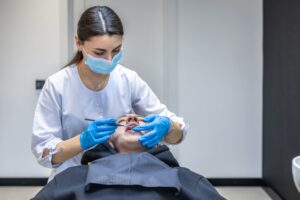
Understanding Minimally Invasive Extractions
Old-school extractions often meant bigger cuts and more bone removal. That led to longer recovery times, more swelling, and sometimes real discomfort. Modern minimally invasive extractions take a smarter approach.
Nowadays, oral surgeons meticulously organize every step. To extract teeth without damaging the surrounding tissue, they employ delicate methods and accurate instruments. Less pain results from smaller incisions. Faster healing results from less trauma. Preserving bone and gums also helps if you need dental work later. It makes even complicated cases feel manageable.
The Role of Advanced Imaging
3D imaging is a total game-changer. Before they touch a tooth, surgeons can see exactly where it is located. For a challenging impacted canine extraction, this is particularly crucial. Careful preparation helps to prevent surprises, as these teeth may be caught behind bone or gum.
Even for simple wisdom teeth extraction procedures, this is an advantage. Surgeons can now avoid nerves, remove less bone, and design the easiest procedure. There are fewer incisions, which translates to faster healing, less swelling, and much less pain. Viewing it beforehand also gives the patient more confidence before the surgery.
Modern Tools Make a Difference
Specialized tools make extractions gentler than ever. Specialized instruments such as periotomes, luxators, and ultrasonic instruments assist in loosening teeth precisely. Surgeons can remove teeth without stressing the surrounding tissue or the jaw.
For wisdom teeth extraction in NJ, these tools mean smaller incisions. Fewer stitches, less swelling, and a smoother recovery are normal. Many patients say it feels easier than they imagined. Modern tools take out the fear and leave recovery manageable.
Gentle Techniques for Impacted Teeth
Impacted teeth are more complicated than normal extractions. They can be trapped under bone or gum and require careful handling. Surgeons lift only enough tissue to access the tooth. Sometimes the tooth is removed in small pieces instead of all at once.
This method reduces jaw stress and makes recovery much easier. Swelling and soreness are lower. Minimally invasive techniques make even difficult impacted canine extraction cases feel doable. Patients often leave surprised at how simple the process felt.
Local Anesthesia and Sedation Options
Comfort is a huge priority. Oral surgeons use local anesthesia, and sedation is available if needed. You stay calm, relaxed, and pain-free.
Modern techniques minimize discomfort during surgery. Recovery feels easier, too, because less tissue trauma means less soreness afterwards. Many patients are shocked at how smooth and straightforward the whole experience is.
Faster Recovery, Fewer Complications
Minimally invasive extractions heal faster. Less trauma equals less swelling and bruising. Most people are back to work, school, or normal life in just a few days.
Preserving gum and bone tissue is important for future dental work. It also lowers infection risk and helps long-term oral health. Patients often notice how much easier recovery is compared to what they expected. It’s a big relief for anyone nervous about extractions.
Tips for a Smooth Recovery
Even when using gentle methods, thoughtful care makes a difference. Following recommended self-care practices can support faster recovery and help reduce discomfort. Typical tips include:
- Stick to soft foods for a few days
- Avoid heavy activity right after surgery
- Rinse gently with salt water or mild mouthwash
- Attend follow-up visits to check healing
Once these measures are undertaken, the patients are often able to recover faster and feel better.
When to Consult an Oral Surgeon
If you have a wisdom tooth extraction in NJ procedure or an impacted tooth that is difficult to remove, consult a board-certified oral surgeon. They can perform thorough scans, assess your mouth, and determine the most pleasant and safe course of action.
At Somerset Oral Surgery, the team focuses on precision, comfort, and long-term oral health. They handle everything from routine wisdom teeth to complex impacted teeth. Their goal is to make the process smooth, manageable, and as stress-free as possible.
Schedule Your Consultation
Minimally invasive extraction techniques have transformed oral surgery. Recovery is faster, swelling is lower, and the process is simpler. If you have a tooth that needs removal, don’t wait.
Contact Somerset Oral Surgery today to schedule a consultation and see how modern methods make your extraction easier, faster, and more comfortable.
[ Schedule Your Consultation ]
Frequently Asked Questions
Does a wisdom tooth extraction hurt during the procedure?
You should not feel pain while the extraction is happening. Oral surgeons use numbing medicine and often sedation so you feel pressure, not pain. Any discomfort comes later as the anesthesia wears off.
How long does it take to recover from an impacted canine extraction?
Most people feel much better in about 3 to 7 days. Swelling and soreness usually peak around day two or three and then gradually fade. Full healing can take a couple of weeks, especially after deeper procedures.
Is it normal to have swelling and discomfort after extraction?
Yes, a mild swelling, tenderness, or bruising at the location of the surgery is normal for a few days. Ice and medication help, and symptoms should steadily improve each day. Persistent or worsening pain should be checked.
When should I contact my oral surgeon after surgery?
Call your surgeon if pain gets worse after a few days, swelling increases, bleeding won’t stop, you have a fever, trouble swallowing, or you see pus. These signs could mean infection or another issue needing attention.